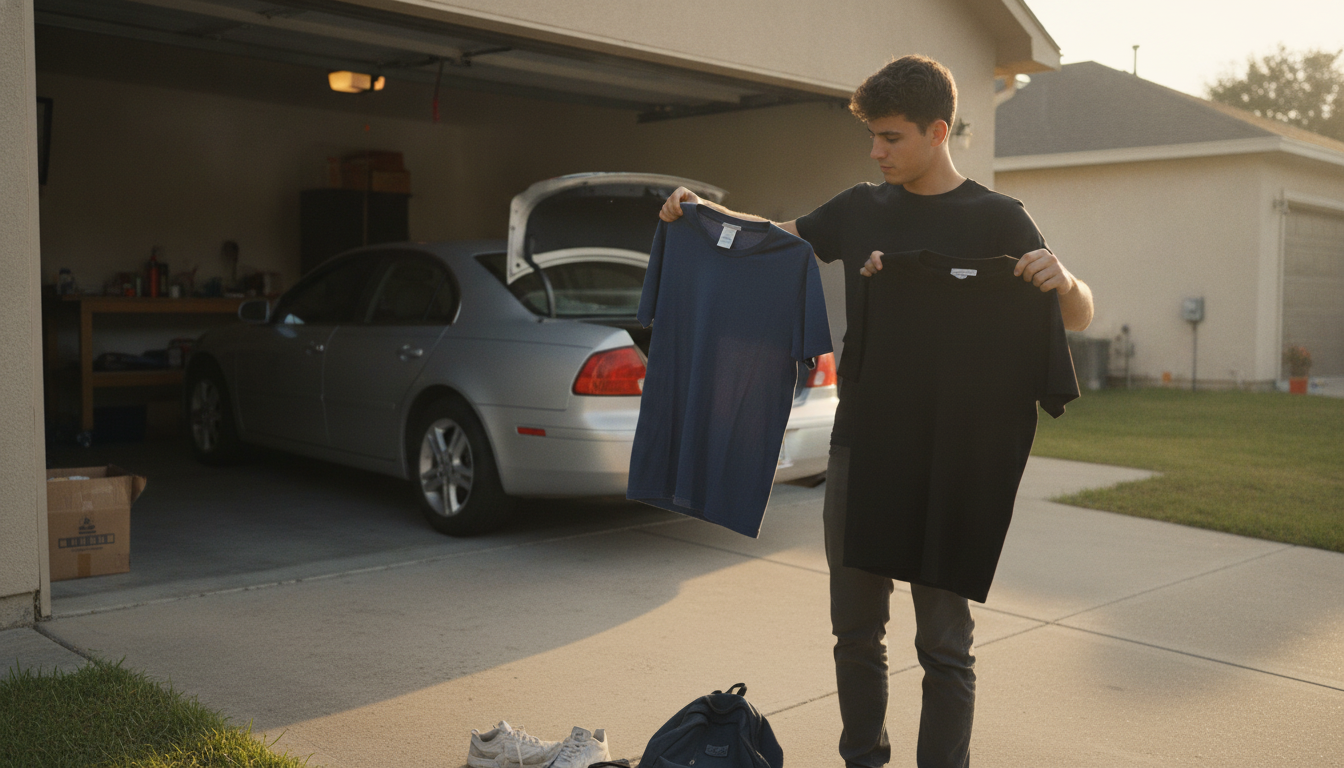
To spot a fake Calvin Klein shirt, focus on the small details counterfeiters usually miss: label accuracy, construction quality, and consistency across branding, tags, and packaging. A quick scan isn’t enough—take a minute to check stitching, fabric feel, and the information printed on the inner tags.
Authentic Calvin Klein labels look crisp and evenly stitched, with clean edges and consistent fonts. Watch for blurry lettering, uneven spacing, or a logo that looks slightly “off.” Inside, the care/content tag should be easy to read, securely sewn, and include standard info like fiber content, care symbols, and country of origin. Misspellings, odd abbreviations, or sloppy printing are strong red flags.
Genuine shirts typically have straight, uniform stitching with no loose threads or skipped seams. Look closely at the side seams, hem, and collar: counterfeits often show puckering, uneven seam allowance, or messy overlocking. Buttons should be attached firmly and aligned; cheap, lightweight buttons or inconsistent buttonholes can indicate a fake.
Calvin Klein shirts—especially cotton styles—tend to feel smooth, substantial, and consistent across panels. If the fabric feels thin, scratchy, overly shiny, or uneven in thickness, be cautious. Also check for color inconsistencies between the body and collar/cuffs, which can happen with low-quality dyeing.
Try the shirt on or measure it. Counterfeits frequently run strangely small or large, with awkward sleeve lengths or a collar that doesn’t sit right. If you own another authentic Calvin Klein shirt, compare tag layout, font, and overall proportions.
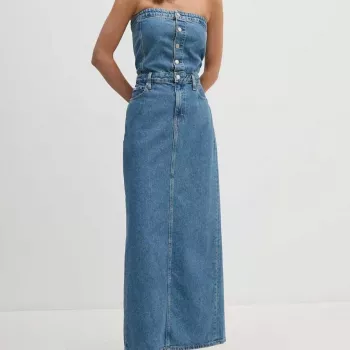
Ultra-low prices, limited photos, missing close-ups of tags, or vague descriptions are common warning signs. If possible, request additional pictures of the neck label, care tag, and stitching. For a style-focused reference to what a legitimate Calvin Klein shirt should look like when worn and styled, see this Calvin Klein shirt dress guide.
A real care tag is clearly printed and typically includes fiber content, care symbols/instructions, a country of origin, and a consistent tag layout with clean stitching. Blurry text, misspellings, or a tag that feels cheaply fused or poorly sewn are common counterfeit clues.












Leave a comment