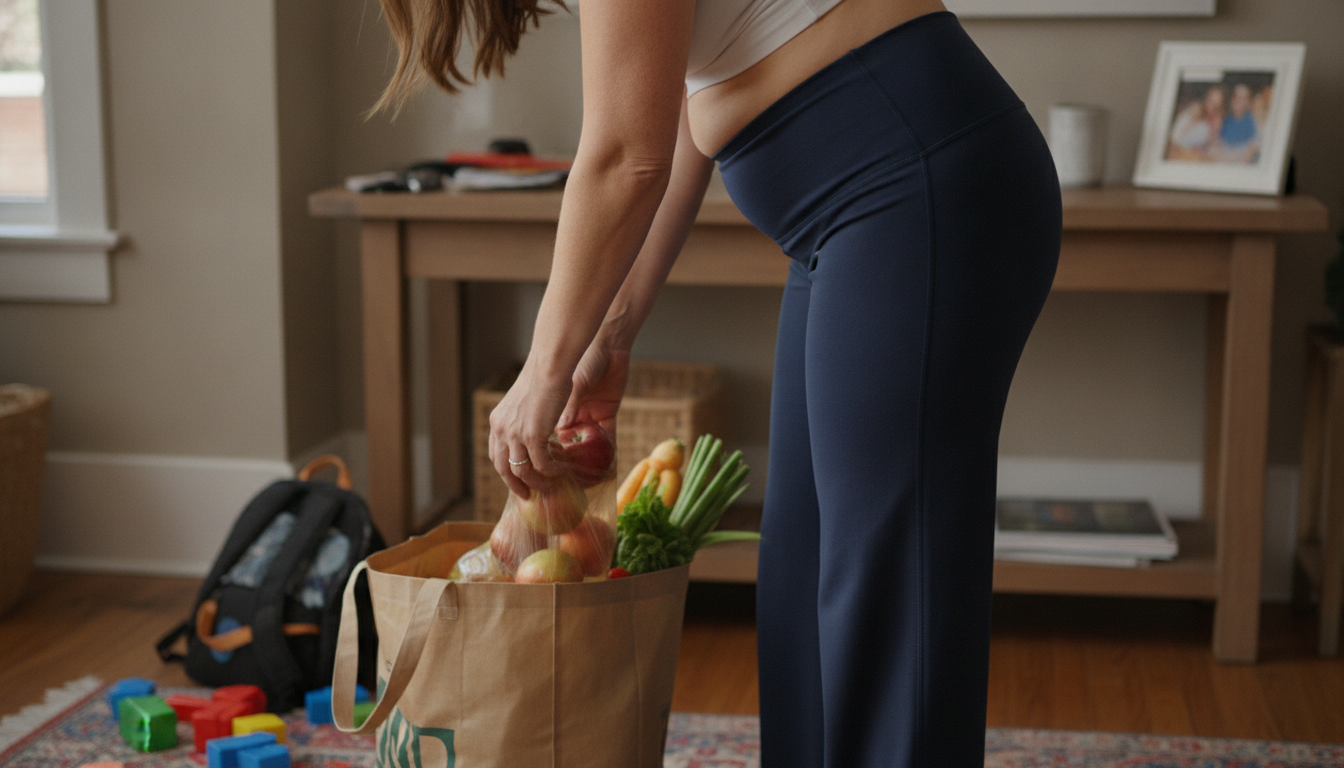
Yes—high-waist styles are often a great choice for a bigger tummy because they offer more coverage, a smoother line, and a more secure feel through the midsection. When the waistband sits at or near the natural waist (typically the narrowest point above the belly button), it can help “hold in” and gently support the tummy without cutting across the widest area.
A higher rise changes where the garment “ends” on your torso. Instead of stopping at the fullest part of the stomach (which can create a visible ridge or digging), a high waist distributes pressure higher up and can reduce the chance of a muffin-top effect. Many high-waist pants, jeans, leggings, and skirts also use wider waistbands, which can feel smoother and more comfortable than a thin band.
Choose a waistband that’s wide, structured, and flexible—think soft compression or a contoured band that follows your shape. Fabrics with a bit of stretch (and good recovery so they don’t sag) can keep the front panel from wrinkling or pulling. If you prefer less compression, look for high-waist silhouettes with a flat front and a forgiving closure, like a side zip, elastic back, or a clean pull-on style.
If high-waist items roll down, the size may be too small or the fabric too slick/soft to stay anchored; sizing up or choosing a firmer waistband can help. If they gape at the back, a curvier cut or a waist-to-hip-friendly fit is usually the solution. For a smooth finish under tops, seamless or minimal-seam designs can reduce bulk at the waistband.
For more detail on choosing the most flattering rise, fabrics, and styling tips, visit the main guide on high-waist styles for a tummy.
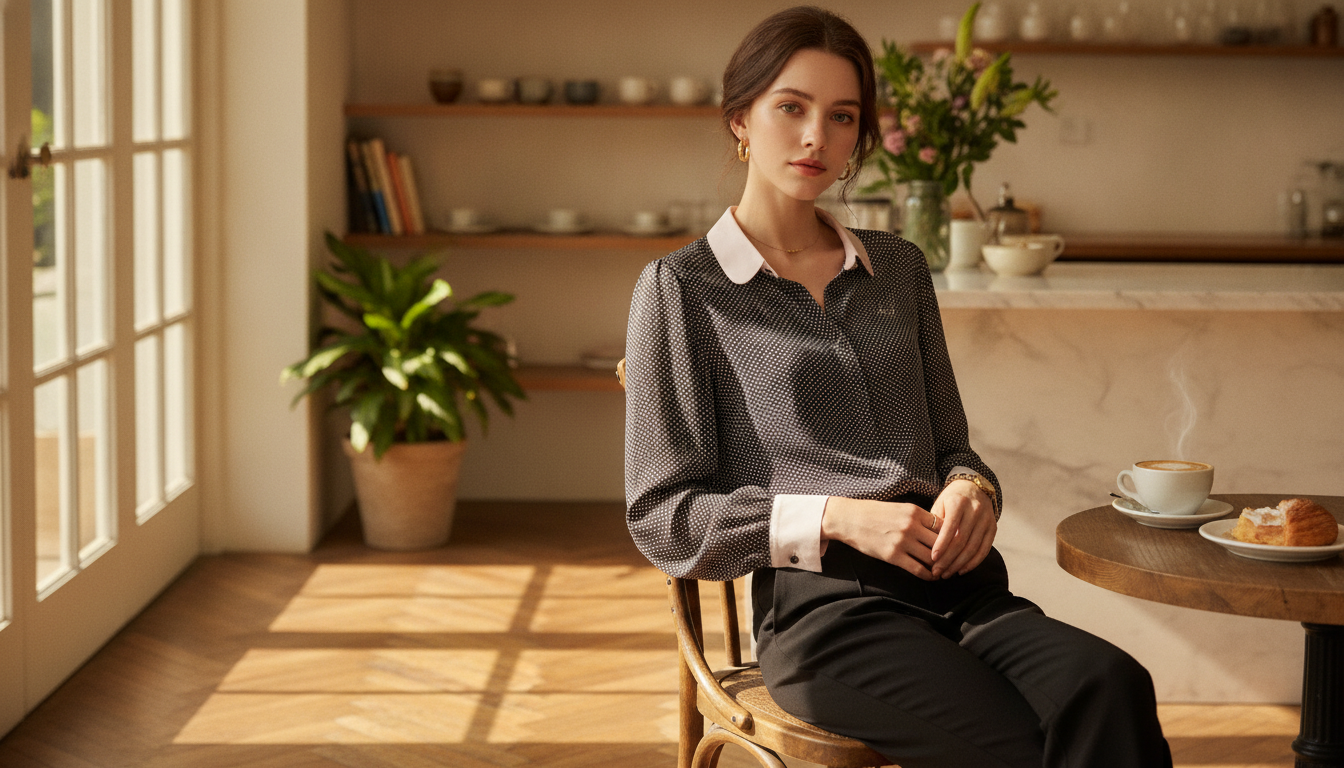
Try a half-tuck, a cropped-but-not-tight tee, or a drapey blouse that skims the waistband. If you want extra coverage, choose longer tops with a structured hem or layering pieces like an open shirt or light jacket to create clean vertical lines.








Leave a comment