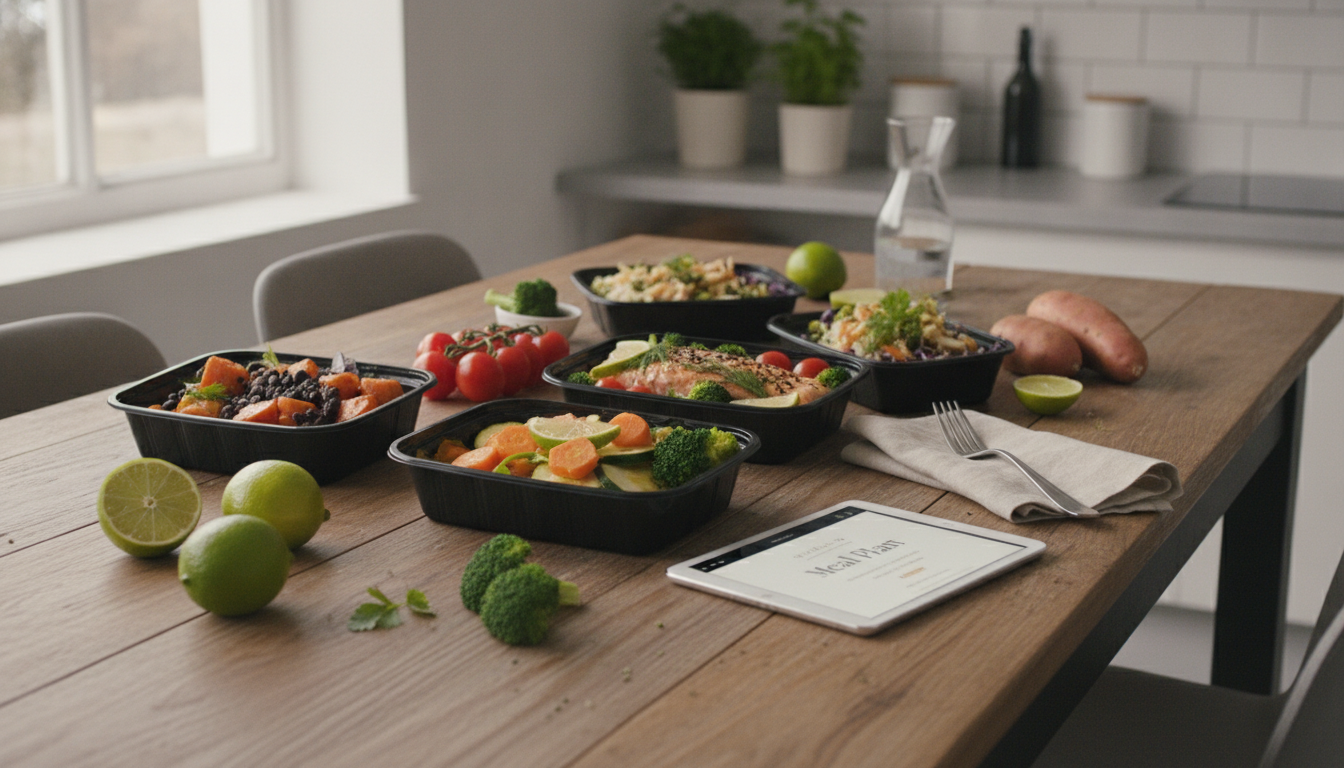
A structured meal plan can cut down daily decision fatigue, streamline grocery shopping, and make balanced meals feel automatic instead of complicated. With a clear breakfast-lunch-dinner-snack rhythm, it’s easier to keep protein, fiber, and colorful produce in the mix—even on busy weeks. This guide explains who benefits most from planning, how a one-week reset differs from a one-month routine, and how to prep in a way that stays realistic over time.
Meal planning isn’t just for “perfect eaters.” It’s most helpful for people who want fewer last-minute choices and a smoother week.
For a practical approach to balanced plates, the Harvard Healthy Eating Plate is a simple visual guide that matches well with meal planning: plenty of vegetables, quality proteins, whole grains, and healthy oils.
If the hardest part is knowing what to cook (and how to keep it balanced), a recipe-based plan helps you repeat a workable system instead of starting from scratch every week. The Healthy Meal Plan & Recipe Collection eBook is built around day-to-day usability:
For general nutrition targets and healthy patterns across life stages, the Dietary Guidelines for Americans (2020–2025) is a solid reference point to keep meals aligned with broad recommendations.
Both timeframes can work—what changes is how much flexibility you want and how often you’re willing to plan.
| Plan length | Best for | Shopping rhythm | How it feels day-to-day |
|---|---|---|---|
| 1 week | Quick reset, trying new recipes | One main grocery trip | Fresh and flexible |
| 1 month | Consistency, fewer decisions | Weekly mini-trips + pantry restock | Routine-driven and efficient |
A template keeps meals balanced without requiring perfection. Think in components, then rotate flavors.
Aim for protein + a high-fiber carb + fruit/veg. Example pattern: eggs or yogurt + oats or whole-grain toast + berries.
Build lean protein + colorful vegetables + a whole grain or starchy vegetable + a healthy fat. Grain bowls and hearty salads are easy to batch-prep.
Make it a protein centerpiece + two sides: one non-starchy vegetable and one fiber-rich carb for satiety.
Choose protein or fiber (nuts, fruit with yogurt, hummus with veggies) to avoid energy crashes.
Pair meals with water; unsweetened tea or coffee can fit personal preferences. For broader lifestyle guidance that pairs movement with nutrition, the CDC Healthy Weight resources are a helpful overview.
Meal prep works best when it’s more like “building blocks” than seven identical containers.
For training days, pairing this prep approach with comfortable gear can make routines easier to keep—especially for quick errands or post-workout meal runs. The High Waist Compression Running Shorts for Women – Quick-Dry & Breathable are a simple option to support an active schedule.
If cozy, low-effort layering helps you stay consistent with morning walks, grocery trips, or meal-prep Sundays, the Levi’s Women’s White Hooded Sweatshirt can be an easy staple to keep routines comfortable.
A week is enough time to build consistency, reduce decision fatigue, and learn balanced portions. Longer-term changes usually come from repeating the routine for several weeks while adjusting for energy needs, activity level, and preferences.
Yes—swap in beans, lentils, tofu, eggs, and dairy (if included) while keeping the same meal structure. For higher protein, add a protein-focused snack or increase your breakfast protein without changing the overall plan.
Most weekly prep takes about 60–120 minutes depending on how much you batch-cook. A minimal version is one protein plus one grain and chopped vegetables; a deeper prep includes two proteins, a couple sides, and a sauce or two.











Leave a comment