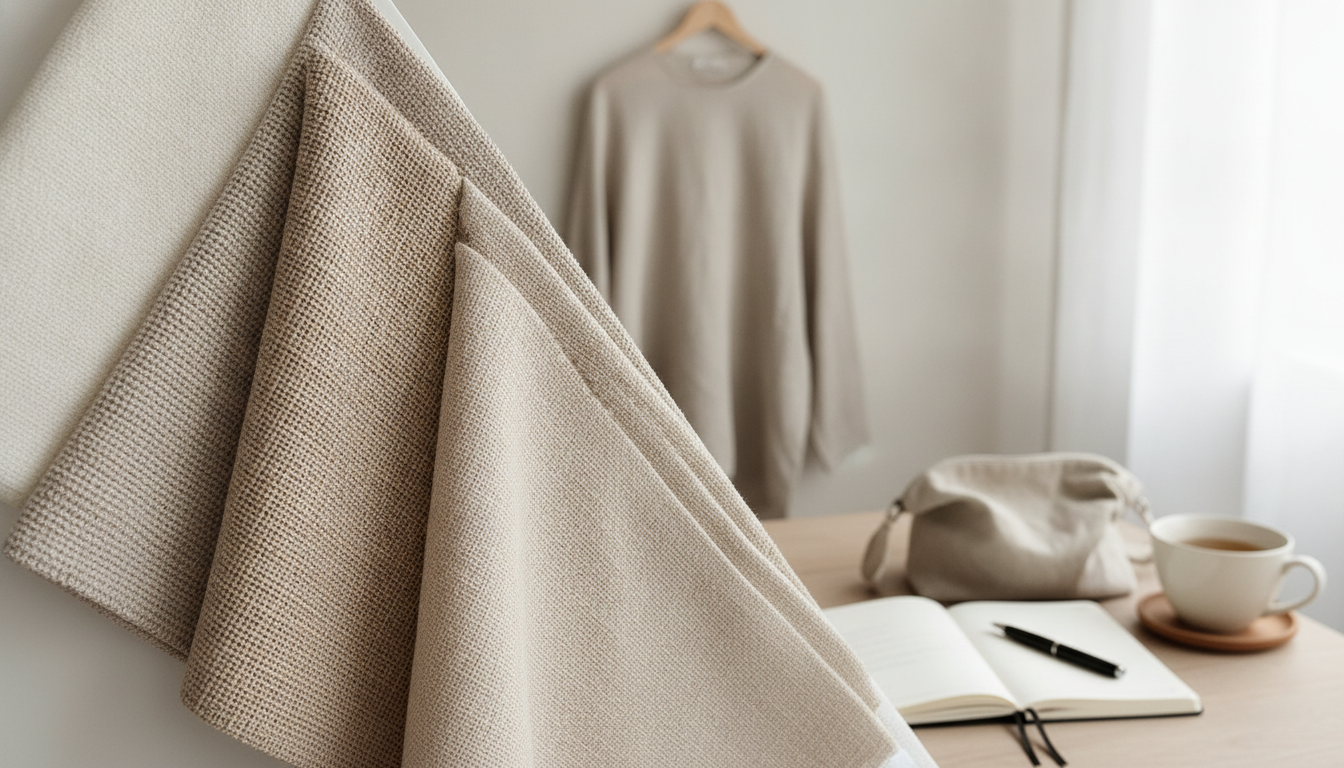
There isn’t one single “most sustainable” fabric in every situation, because sustainability depends on how a fiber is grown or made, dyed, finished, transported, and how long it actually lasts in real use. That said, a strong all-around pick is certified organic cotton for everyday basics, especially when it’s paired with low-impact dyes and built for durability. It’s widely available, comfortable, and—when certified—avoids many of the pesticide and soil impacts associated with conventional cotton.
If you want an option that can beat cotton in resource efficiency, hemp is often a top contender. It typically needs less irrigation, grows quickly, and can be very long-wearing. The main tradeoff is that hemp’s feel and performance vary a lot by weave and processing, so it’s best to check fabric details and finishing methods.
Lyocell (TENCEL™) is another standout when sourced responsibly. It’s made from wood pulp using a closed-loop process that recovers most of the solvent, and it offers a smooth drape that works well for shirts, dresses, and bedding. As with any man-made cellulosic fiber, the best version is tied to traceable forestry and reputable manufacturing standards.
Finally, recycled fibers (like recycled cotton or recycled polyester) can be highly sustainable when they meaningfully reduce waste and extend the life of existing materials. For synthetics, the key consideration is shedding: recycled polyester still releases microfibers, so choosing tighter weaves, washing less often, and using a microfiber filter can help reduce impact.
To compare fabrics side-by-side—and learn what to choose, avoid, and verify—use this guide: eco-friendly fabrics: what to choose, avoid, and verify.
For Most Sustainable Fabric? Organic Cotton, Hemp, Lyocell, the best answer depends on fit, material, care instructions, and how the product will be used day to day.
Look for credible third-party certifications (such as GOTS for organic textiles or OEKO-TEX for chemical safety) and clear sourcing details. Also check for transparency around dyeing/finishing and whether recycled content is independently verified.










Leave a comment