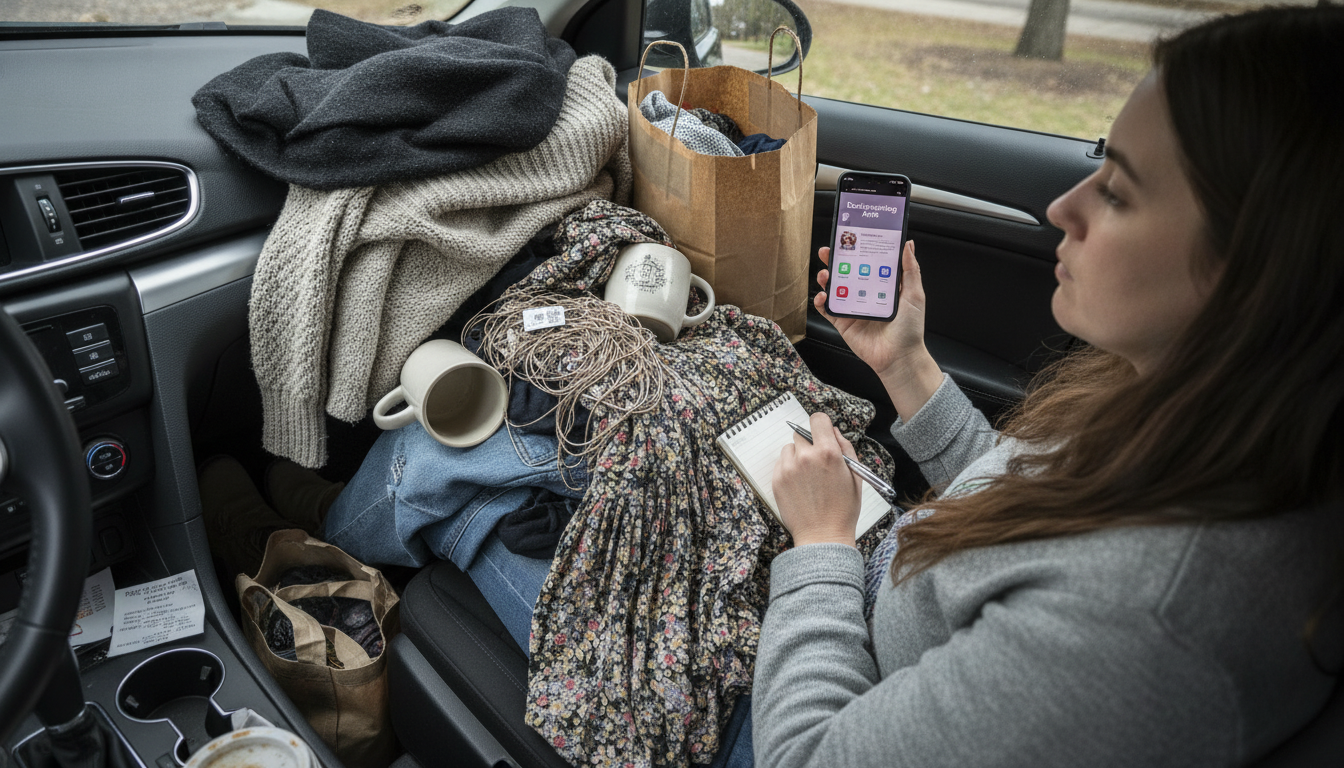
Thrift shopping can be “bad” when the hidden costs outweigh the deal. The price tag might be low, but time, uncertainty, and inconsistent quality can make secondhand buying frustrating—especially if you need something specific for an event or a polished everyday wardrobe.
Unlike regular retail, thrift stores rarely offer consistent sizing, brand selection, or stock. That means a quick trip can easily turn into an hour of digging with no guarantee you’ll leave with anything usable. Even when you score something cute, thrifted items can come with wear that isn’t obvious under store lighting—pilling, stretched seams, weakened elastic, or fabric thinning that shortens the item’s lifespan.
Most secondhand clothing is safe after washing, but thrift shopping can still feel “bad” for anyone sensitive to fragrances, dust, or pet dander. Some items need extra cleaning steps (like sanitizing shoes or steaming delicate fabrics), and that adds effort and cost. If an item is labeled “dry clean only,” the savings can disappear fast.
Many thrift stores have strict return policies or offer store credit only. If you get home and notice a stain, a broken zipper, or a fit issue, you may be stuck. That risk is higher when fitting rooms are closed or crowded, or when you’re buying online secondhand without the ability to try things on.
Not every thrift rack is filled with well-made vintage gems. Some stores are flooded with low-quality fast fashion, which can look fine on the hanger but falls apart quickly. Sorting through a sea of flimsy pieces can make the experience feel more like work than treasure hunting.
Go in with a plan: check fabric tags, inspect seams and zippers, and set a time limit so the trip doesn’t spiral. For a practical, streamlined approach, use this helpful guide and printable checklist: Chic Thrift Score List (Printable Checklist).
Check fabric content, scan for stains and odors, and test closures like zippers and buttons. Prioritize pieces with solid construction—clean seams, intact lining, and minimal pilling—so your “deal” actually lasts.









Leave a comment